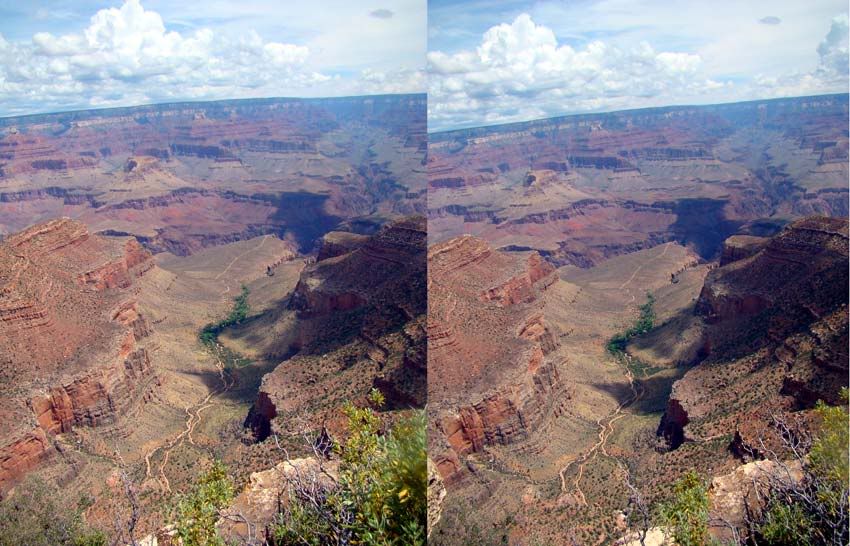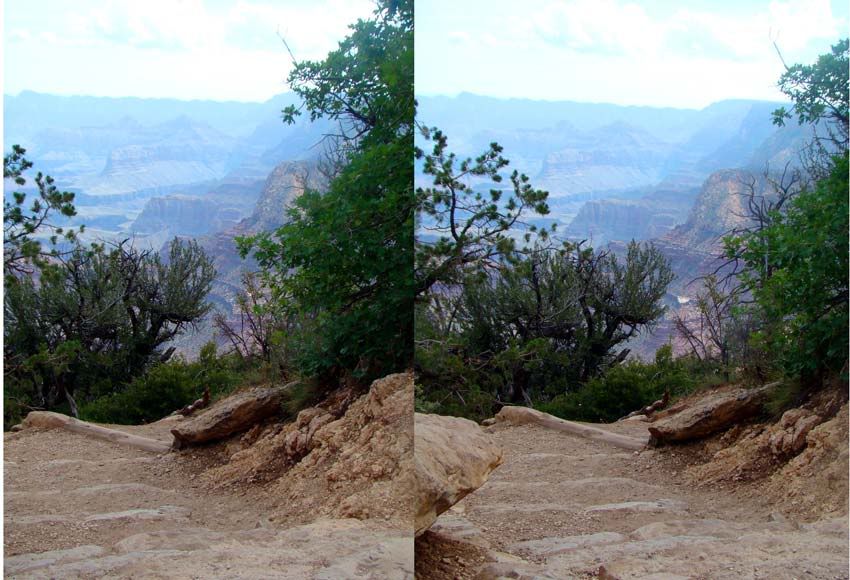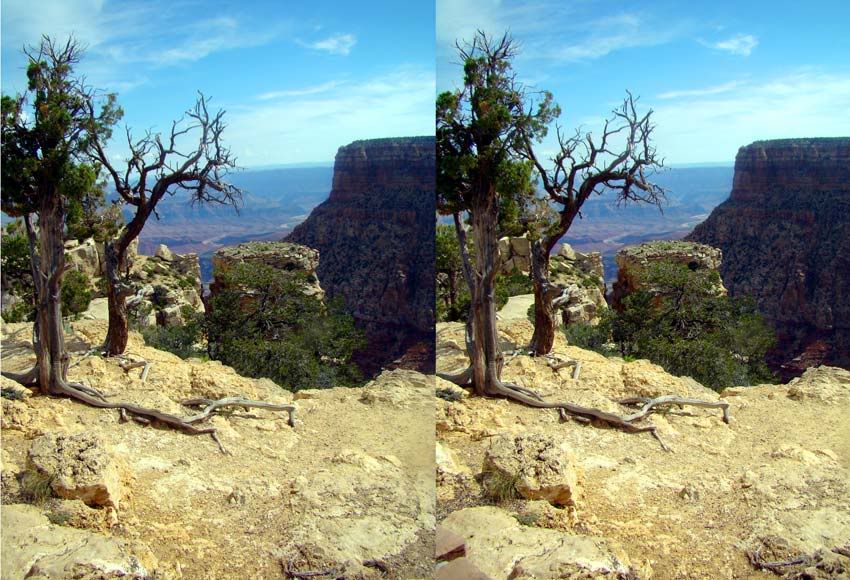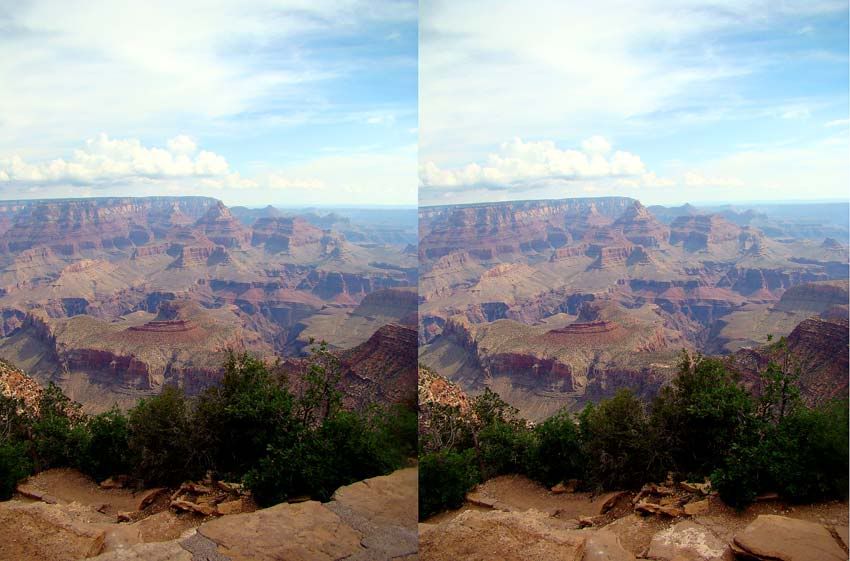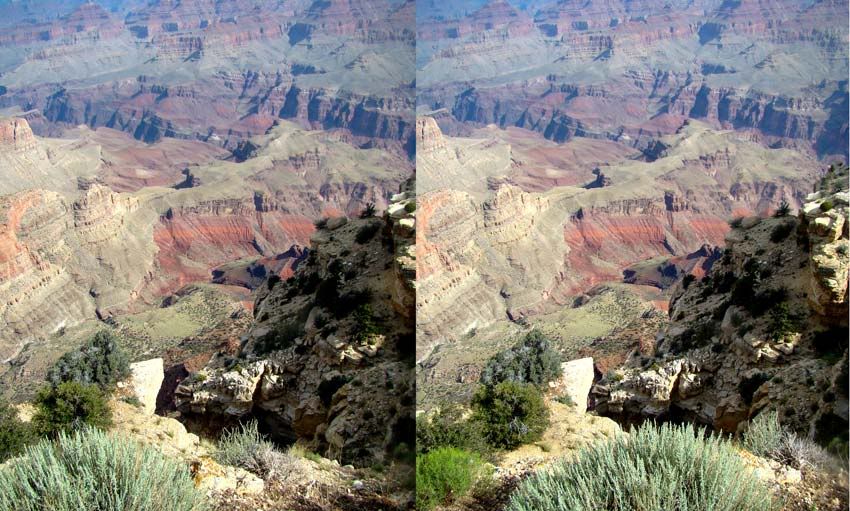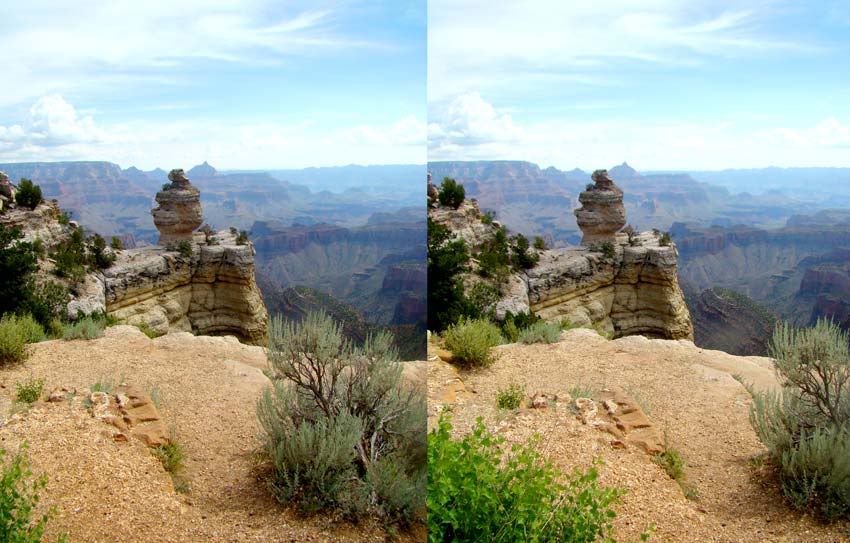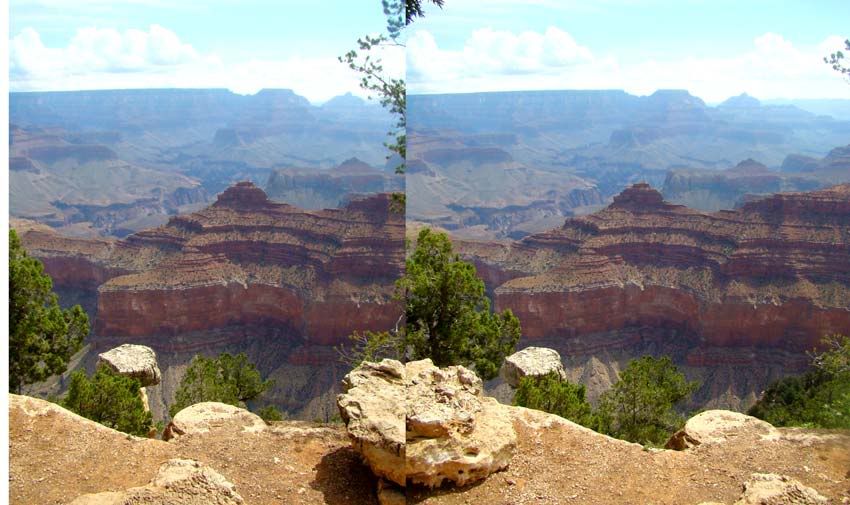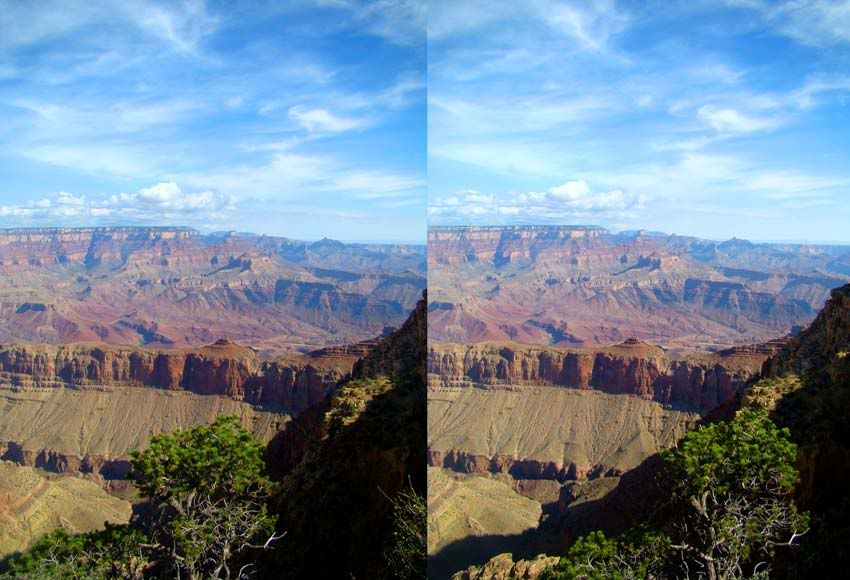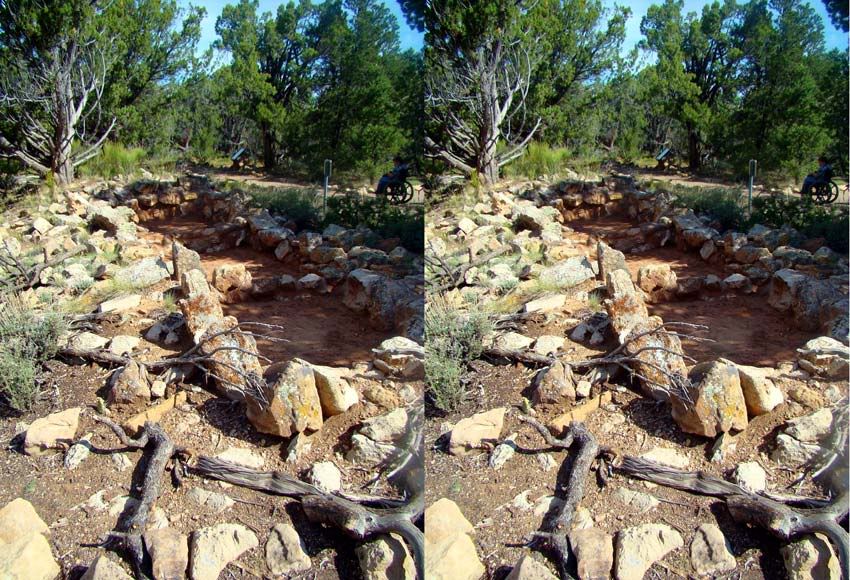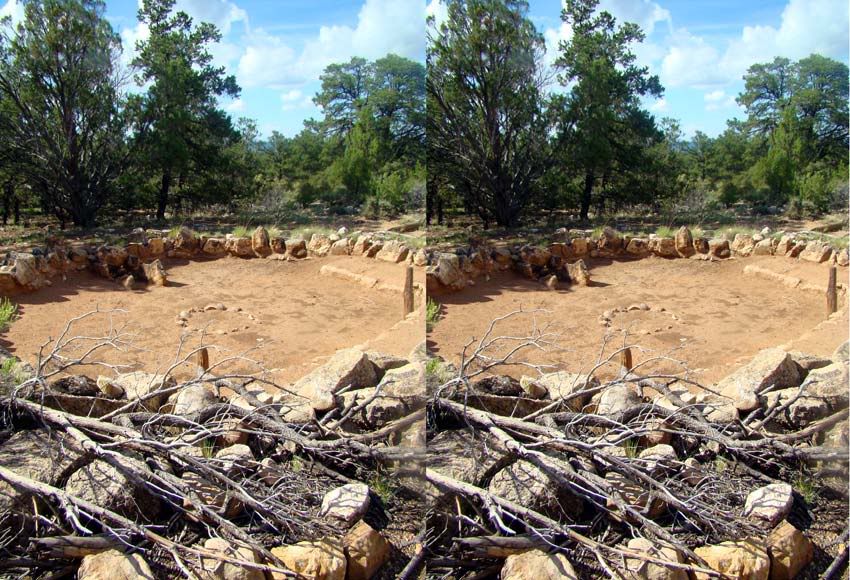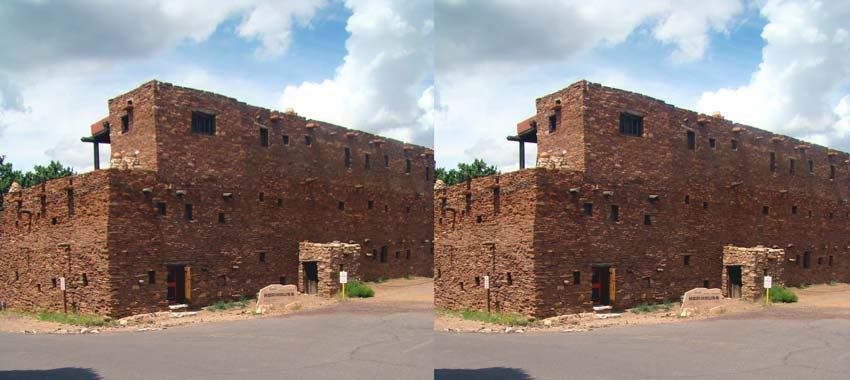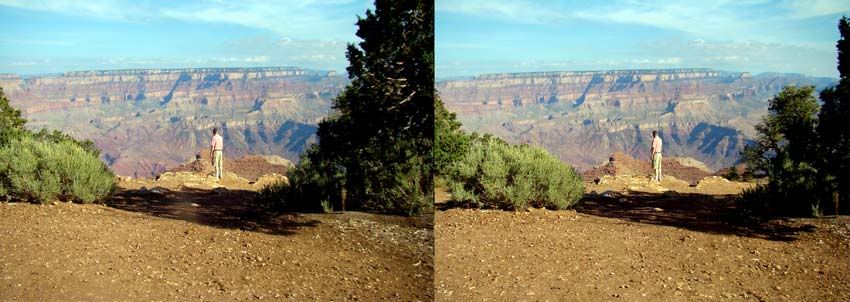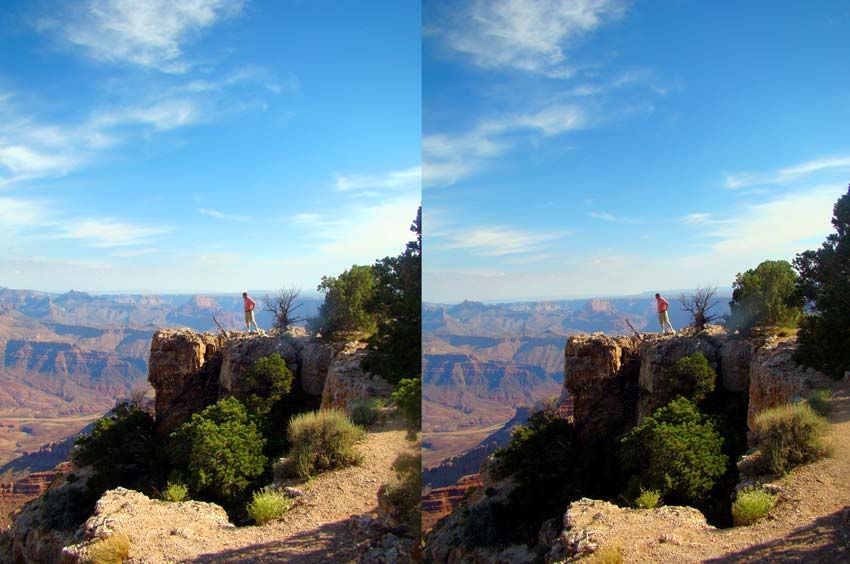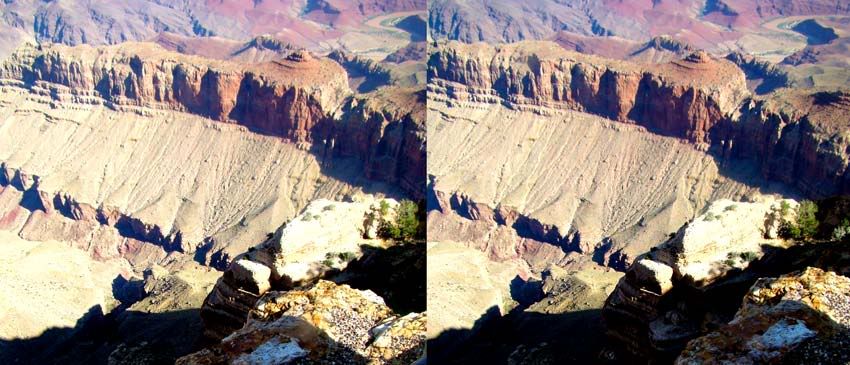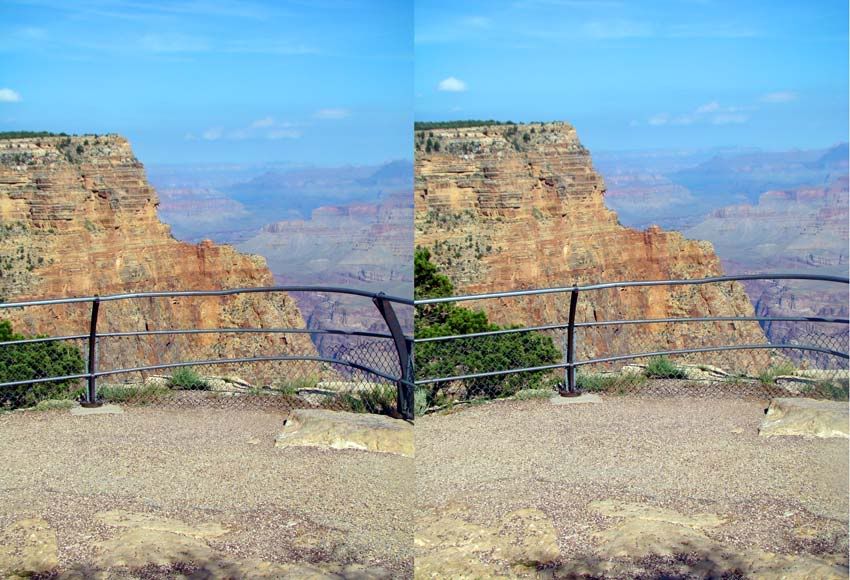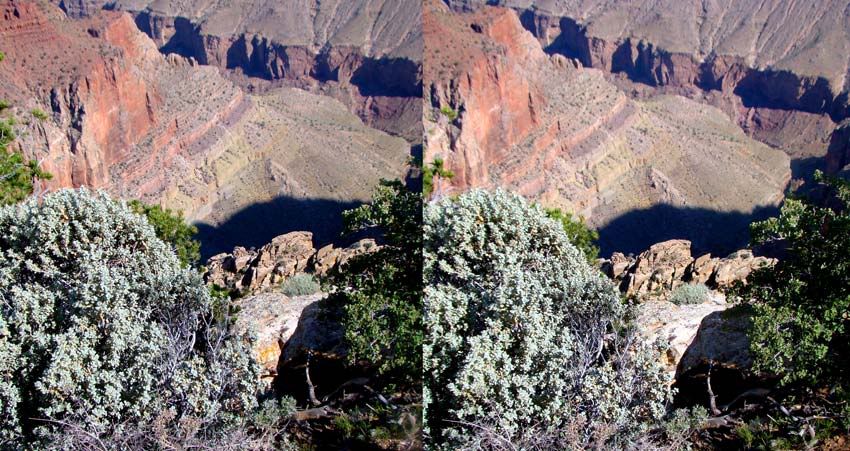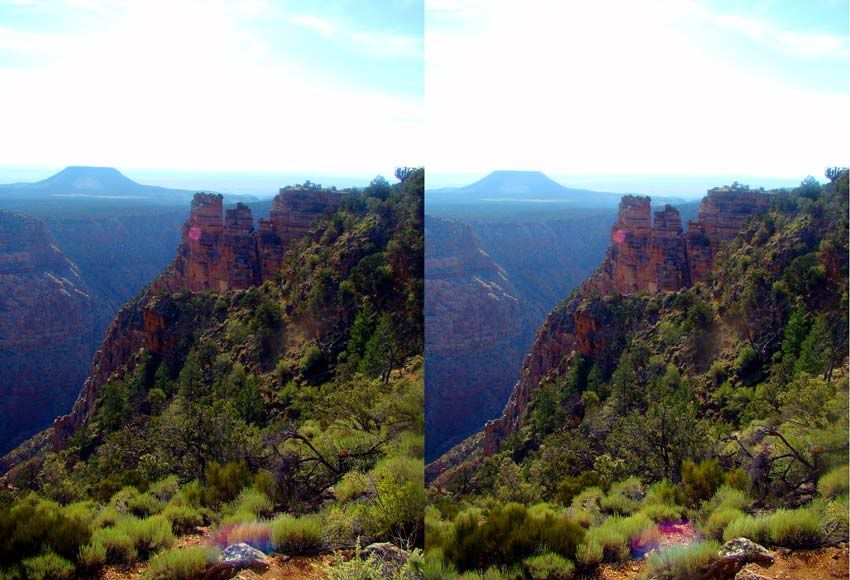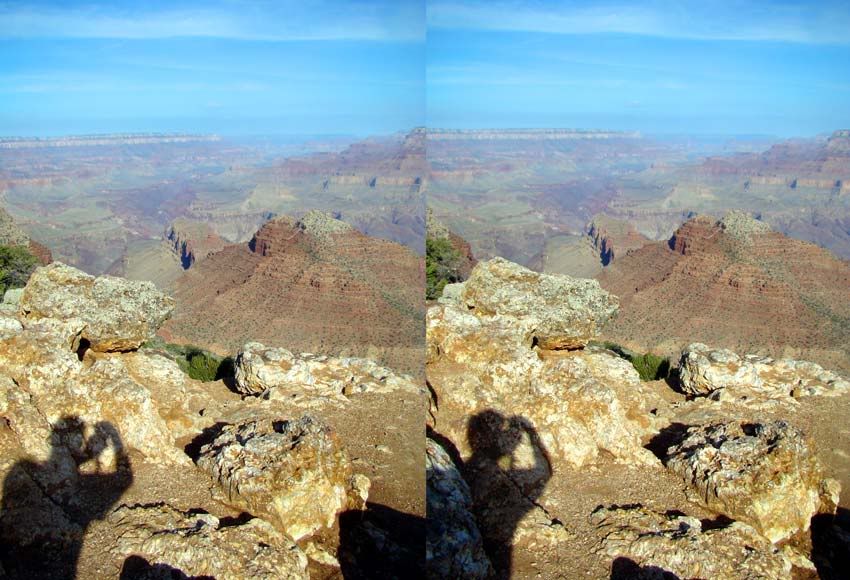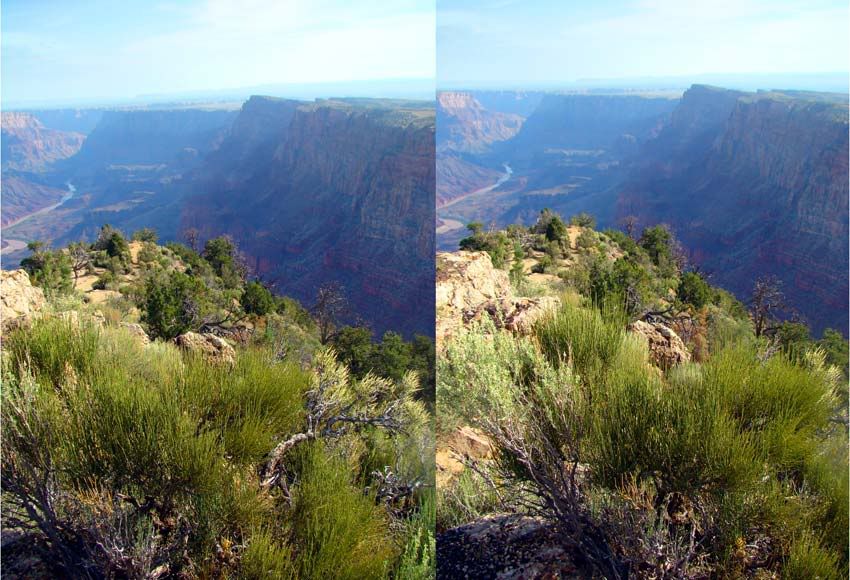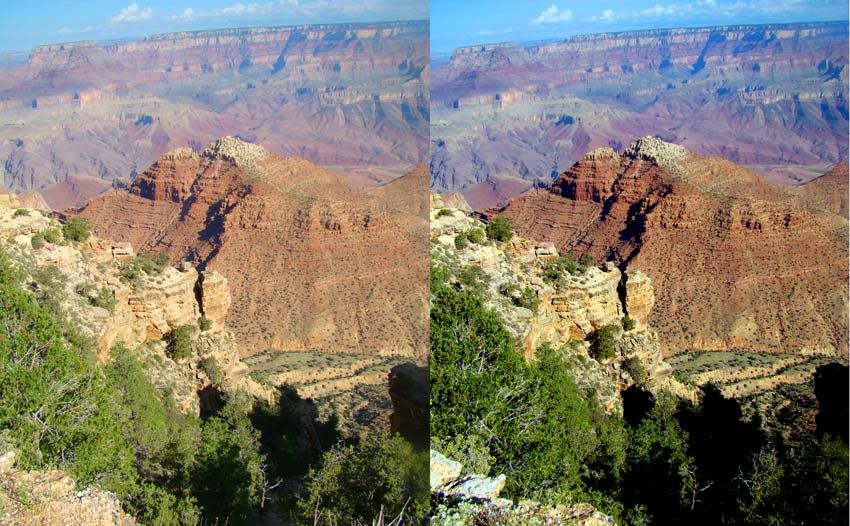
The USA Today Travel Web site has one of the best descriptions I could find of the Grand Canyon. It can be viewed here, and says:
OVERVIEW:
If there is any place on Earth that puts into perspective the grandiosity of Mother Nature, it is the Grand Canyon. The natural wonder, located in northern Arizona, is a window into the region's geological and Native American past. As one of the country's first national parks, the Grand Canyon has long been considered a U.S. treasure, and continues to inspire scientific study and puzzlement.
I found this Fantastic 360 interactive panorama of The Grand Canyon and thought I would let you all see it. I encourage you to visit the host web site, it is well worth the visit. Click here
Grand Canyon East in Arizona
HISTORY:
The Grand Canyon is estimated to be five to six million years old, and the three "Granite Gorges" found here contain crystalline rocks created during the Proterozoic Era. The rare existence of layered rock gives scientists a look into the area's history, dating back two million years. In 1858, scientists began to study the canyon to determine the nature and progression of geologic processes in the area. Even though the Grand Canyon supplies nature-lovers with an escape from society, people have inhabited the area for thousands of years. Archaeologists have uncovered artifacts dating as far back as the Paleo-Indian period, 12,000 years ago. An intensive survey of only three percent of the park has resulted in the discovery of around 4,800 archeological resources.
GEOLOGY:
The 277-mile canyon varies in width between 600 feet and 18 miles, and is one-mile-deep. One of the things that makes the Grand Canyon so grand is that its dry climate keeps the gorge from widening, leading to its extraordinary depths. The canyon is late Cenozoic feature, and consists of four plateaus carved by the Colorado River. The canyon's walls are made up of nearly 40 rock layers, and cinder cones a situated at the western end of the chasm, between the area's two most active faults, Hurricane and Toroweap. The greatest mystery of the Grand Canyon is the Kaibab limestone found at its top layer. The deposit was created at the bottom of the ocean, and was somehow uplifted 9,000 feet, where it sits today.
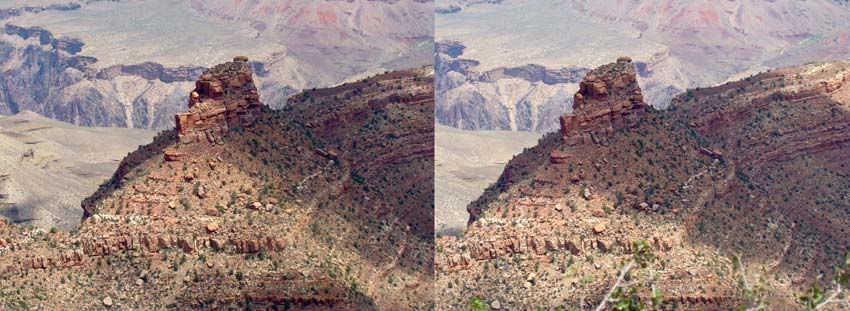
It is my hope these photos, in some small way, did justice to this World Wonder. Next we move north to our final destination on this vacation, Lake Powell.
Any questions or comments, please let me know.
Wednesday, April 6, 2011
Tuesday, April 5, 2011
Grand Canyon National Park (2)
A visit to Tusayan Ruins and Museum provides a glimpse into the life of the Hopi tribe and the Ancestral Puebloan people who inhabited the region 800 years ago. Inside the museum, there are artfully displayed exhibits on various aspects of life in the village including pottery, arrowheads, and other household artifacts. The museum also features some of the original 2,000–4,000 year old split-twig figurines, which are made in the shape of deer or bighorn sheep, sometimes with horns or antlers.
The above was obtained from viator.com
Now Back to the Scenery
Sunrise At Grand Canyon Mather Point Nr2 - Daniel Nilsson in Arizona
More Grand Canyon scenery in the next post. (tomorrow I hope)
Comments always welcome
Monday, April 4, 2011
Grand Canyon National Park (1)
The World Heritage Convention Web Site describes the Grand Canyon in the following Manner:
Carved out by the Colorado River, the Grand Canyon (nearly 1,500 m deep) is the most spectacular gorge in the world. Located in the state of Arizona, it cuts across the Grand Canyon National Park. Its horizontal strata retrace the geological history of the past 2 billion years. There are also prehistoric traces of human adaptation to a particularly harsh environment.
The Grand Canyon is among the earth’s greatest on-going geological spectacles. Its vastness is stunning, and the evidence it reveals about the earth’s history is invaluable. The 1.5-kilometer (0.9 mile) deep gorge ranges in width from 500 m to 30 km (0.3 mile to 18.6 miles). It twists and turns 445 km (276.5 miles) and was formed during 6 million years of geologic activity and erosion by the Colorado River on the upraised earth’s crust. The buttes, spires, mesas and temples in the canyon are in fact mountains looked down upon from the rims. Horizontal strata exposed in the canyon retrace geological history over 2 billion years and represent the four major geologic eras.
About My Photos:
We visited the Grand Canyon National Park at the time when California was experiencing some of their worst forest fires. As a result the visibility was greatly reduced because of the smoke which was travelling in the winds and air currents.
I was hoping for more clear and colourful photos but you take what you can get, and I was happy to have just visited and taken the photos I was lucky enough to get.
Our Tour:
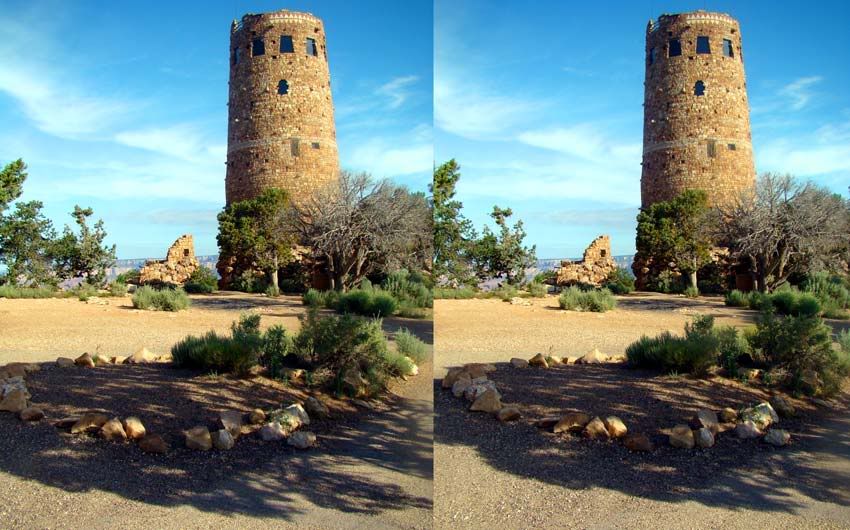
We arrived just after opeining and wanted to miss the masses of people so decided to enter from the East and venture Westward through the park. Therefore the first sight we saw was the Grand Canyon Watch Tower.
Grand Canyon Watch Tower.
This description comes from scienceviews.com and they state:
Build a structure that provides the widest possible view of Grand Canyon yet harmonizes with its setting: this was architect Mary Colter's goal when the Fred Harvey Company hired her in 1930 to design a gift shop and rest area at Desert View. Colter's answer was the Watchtower.
A perfectionist, Colter scrutinized every detail, down to the placement of nearly every stone. Each stone was handpicked for size and appearance. Weathered faces were left untouched to give the tower an ancient look. With a lavish, highly publicized dedication ceremony, the Watchtower opened in May 1933.
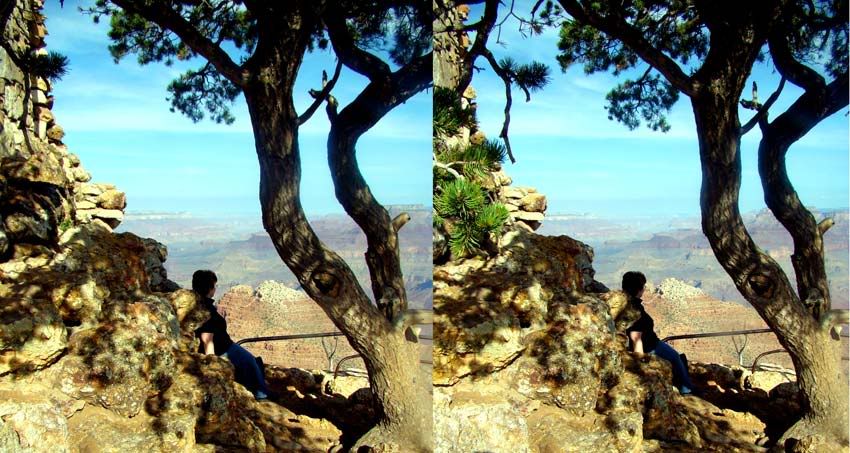
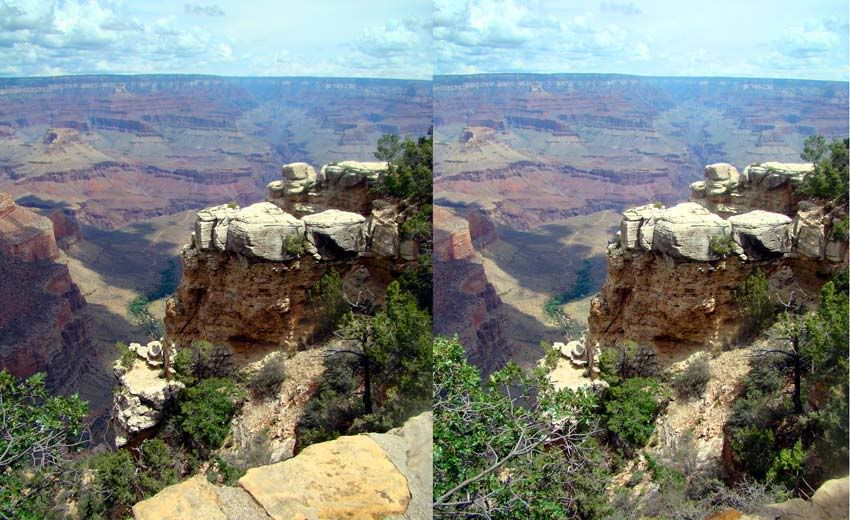
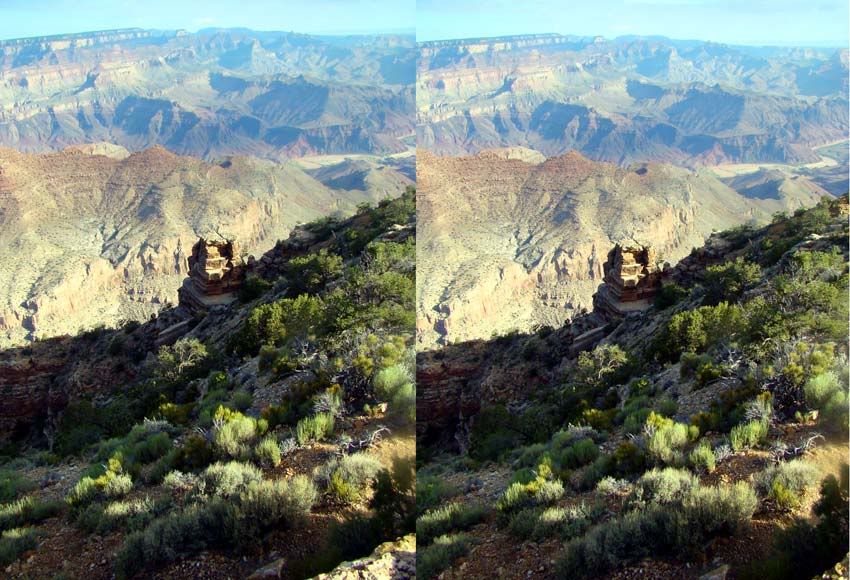
Some of the magnificent scenery:
Sunrise At Grand Canyon Mather Point - Daniel Nilsson in Arizona
They don't call the Grand Canyon "GRAND" because it is small. Thus It can't be covered in just one post.
More to come.
Carved out by the Colorado River, the Grand Canyon (nearly 1,500 m deep) is the most spectacular gorge in the world. Located in the state of Arizona, it cuts across the Grand Canyon National Park. Its horizontal strata retrace the geological history of the past 2 billion years. There are also prehistoric traces of human adaptation to a particularly harsh environment.
The Grand Canyon is among the earth’s greatest on-going geological spectacles. Its vastness is stunning, and the evidence it reveals about the earth’s history is invaluable. The 1.5-kilometer (0.9 mile) deep gorge ranges in width from 500 m to 30 km (0.3 mile to 18.6 miles). It twists and turns 445 km (276.5 miles) and was formed during 6 million years of geologic activity and erosion by the Colorado River on the upraised earth’s crust. The buttes, spires, mesas and temples in the canyon are in fact mountains looked down upon from the rims. Horizontal strata exposed in the canyon retrace geological history over 2 billion years and represent the four major geologic eras.
About My Photos:
We visited the Grand Canyon National Park at the time when California was experiencing some of their worst forest fires. As a result the visibility was greatly reduced because of the smoke which was travelling in the winds and air currents.
I was hoping for more clear and colourful photos but you take what you can get, and I was happy to have just visited and taken the photos I was lucky enough to get.
Our Tour:
We arrived just after opeining and wanted to miss the masses of people so decided to enter from the East and venture Westward through the park. Therefore the first sight we saw was the Grand Canyon Watch Tower.
Grand Canyon Watch Tower.
This description comes from scienceviews.com and they state:
Build a structure that provides the widest possible view of Grand Canyon yet harmonizes with its setting: this was architect Mary Colter's goal when the Fred Harvey Company hired her in 1930 to design a gift shop and rest area at Desert View. Colter's answer was the Watchtower.
A perfectionist, Colter scrutinized every detail, down to the placement of nearly every stone. Each stone was handpicked for size and appearance. Weathered faces were left untouched to give the tower an ancient look. With a lavish, highly publicized dedication ceremony, the Watchtower opened in May 1933.
Some of the magnificent scenery:
Sunrise At Grand Canyon Mather Point - Daniel Nilsson in Arizona
They don't call the Grand Canyon "GRAND" because it is small. Thus It can't be covered in just one post.
More to come.
Sunday, April 3, 2011
Tuzigoot National Monument
The following was taken from: AmericanSouthWest.net
Tuzigoot is a small national monument, one of several sites south of Flagstaff where the remains of dwellings of the 12th century Sinagua Indians are preserved. Unlike the single cliff house of Montazuma Castle 20 miles southeast, Tuzigoot comprises a cluster of buildings, on top of a small sandstone ridge close to the Verde River valley near the towns of Clarkdale and Cottonwood.
I like to let the photos speak for themselves, it was a very special place.
There you Go!!!! What words could possible add to these pictures. It was a fantastic place to visit.
Next post Grand Canyon
Tuzigoot is a small national monument, one of several sites south of Flagstaff where the remains of dwellings of the 12th century Sinagua Indians are preserved. Unlike the single cliff house of Montazuma Castle 20 miles southeast, Tuzigoot comprises a cluster of buildings, on top of a small sandstone ridge close to the Verde River valley near the towns of Clarkdale and Cottonwood.
I like to let the photos speak for themselves, it was a very special place.
There you Go!!!! What words could possible add to these pictures. It was a fantastic place to visit.
Next post Grand Canyon
Saturday, April 2, 2011
Another Tutorial on how to view "Cross Eye" 3D Photos
This is a tutorial I made for another blog I designed. All of a sudden I thought... HEY!! If it helps people there then it just might help people here.
Just push the "NEXT" button to proceed through the tutorial.
I hope it helps.
Just push the "NEXT" button to proceed through the tutorial.
I hope it helps.
Montazuma Well
The following description is from the National Park Services web site: http://www.nps.gov/moca/index.htm
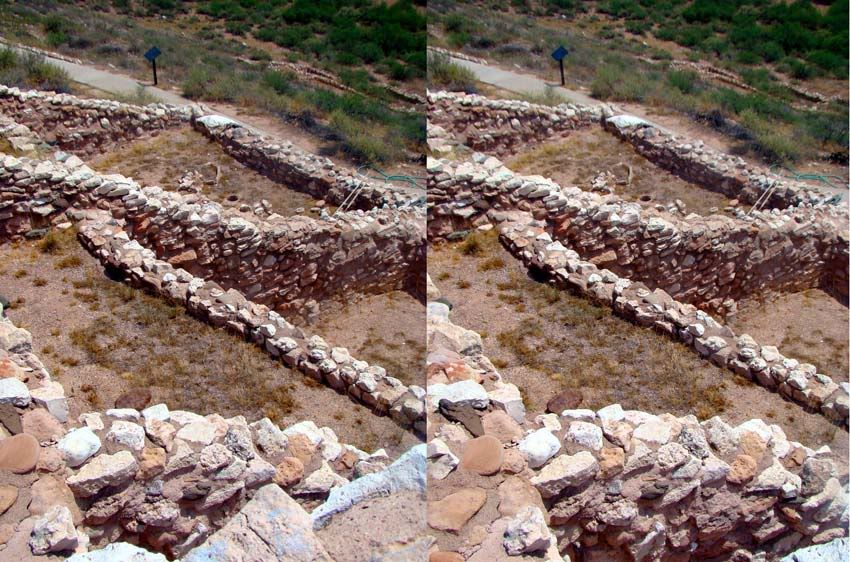
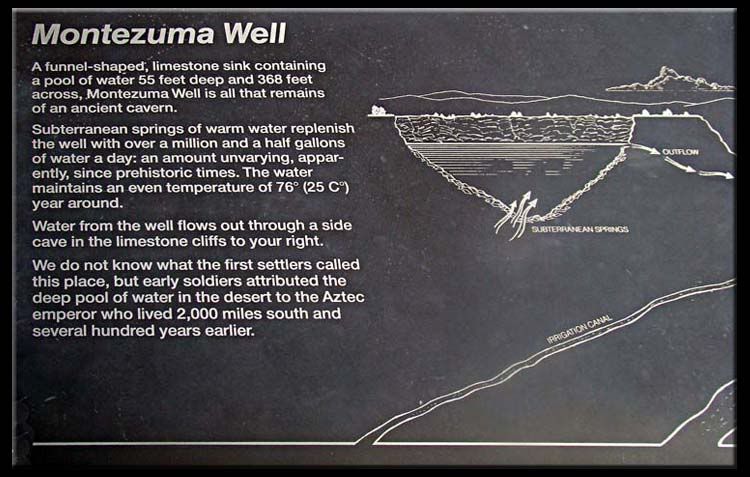
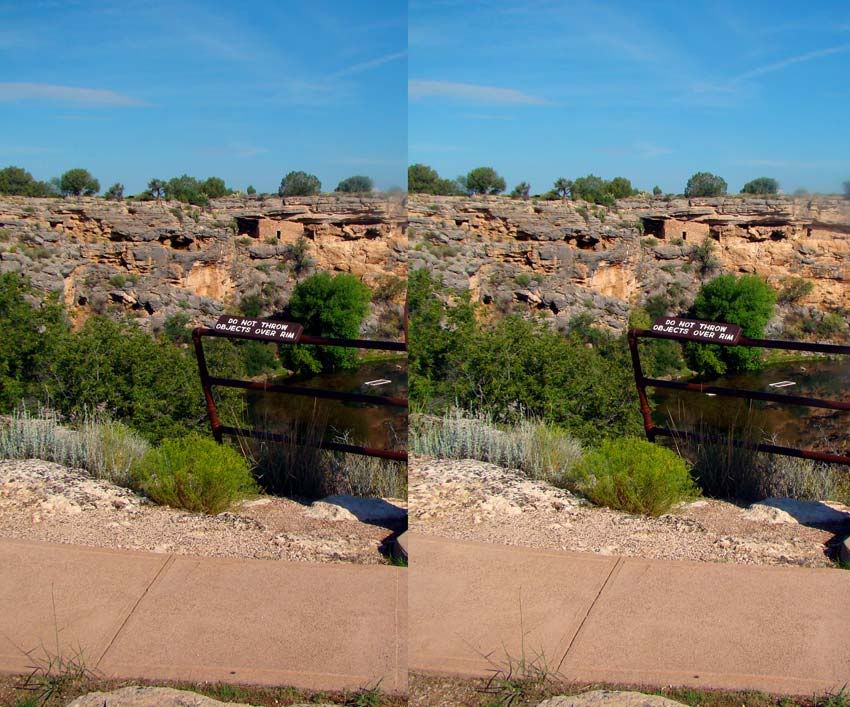
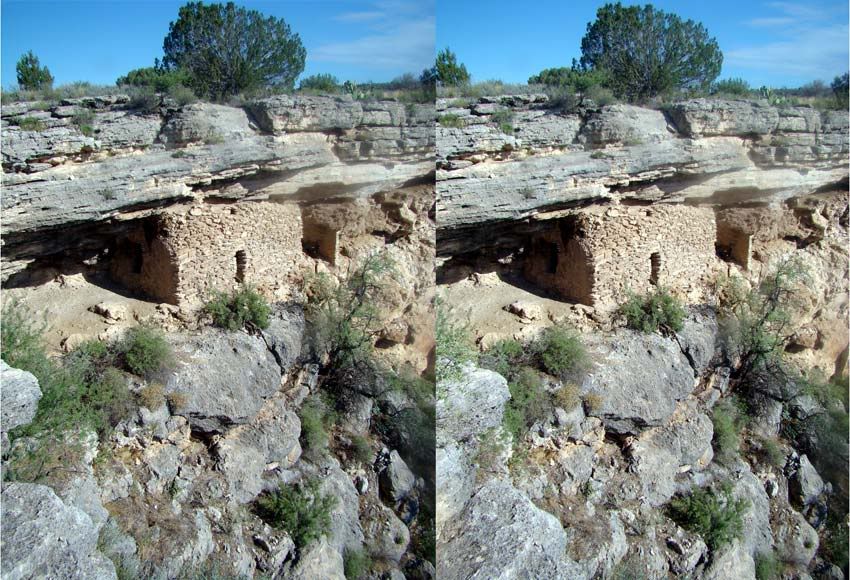
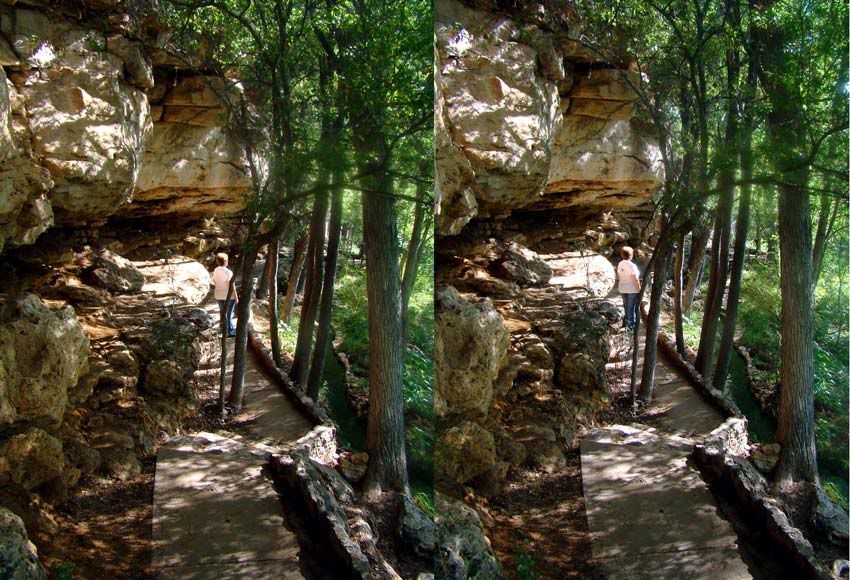
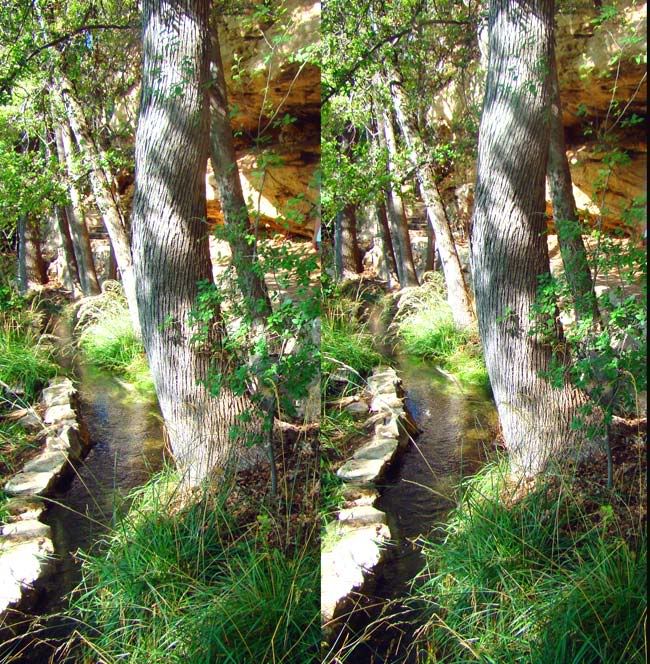
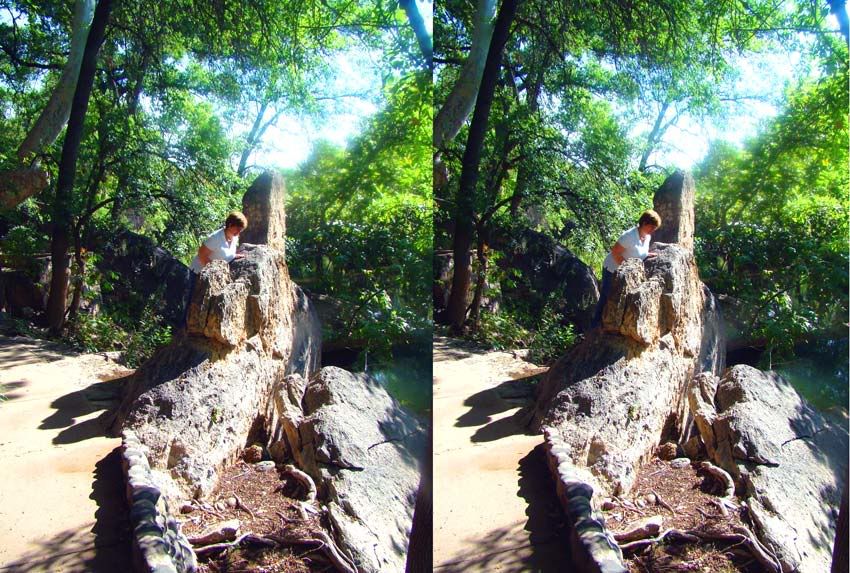
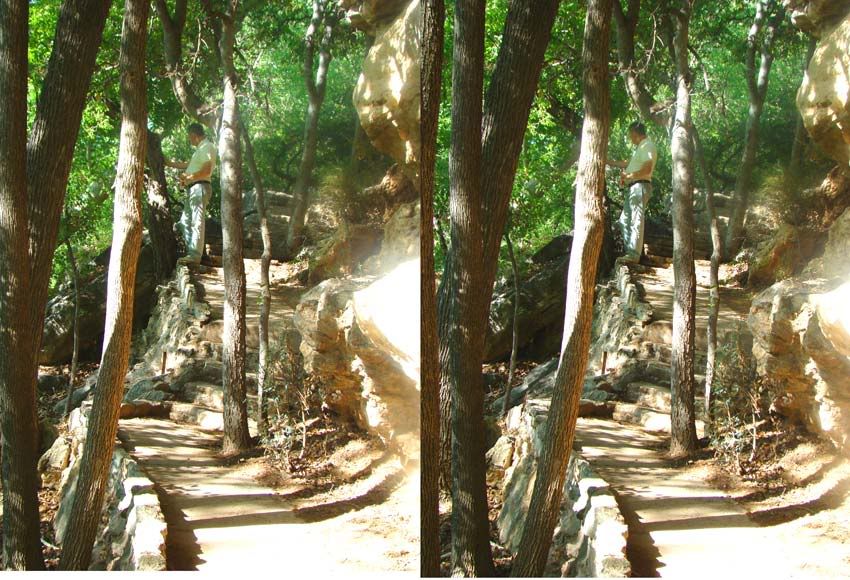
Montazuma Well a unit of Montezuma Castle National Monument, is a place like no other in the world. This unique geologic feature is located 11 miles from Montezuma Castle and is home to species of animals found nowhere else on the planet. Take your time as you wander the trails exploring pre-historic Sinaguan cliff dwellings, pueblo ruins, and a 1,000 year old irrigation ditch that still in use by local residents today!
Of all the places (including the Grand Canyon) we found this site to be of the most interest! When you stand in this location and imagine day's gone by your imagination can really run wild. The beauty and tranquility of the well site is beyond description. I must admit, we arrived just as the site opened first thing in the morning and we were the only visitors there. That may have contributed to the visit and the tranquility.
It is my hope the photos will do it some justice.
First the Description and History:
Now the photos:
All comments welcome. Next post Verde Canyon Ruins.
Montazuma Well a unit of Montezuma Castle National Monument, is a place like no other in the world. This unique geologic feature is located 11 miles from Montezuma Castle and is home to species of animals found nowhere else on the planet. Take your time as you wander the trails exploring pre-historic Sinaguan cliff dwellings, pueblo ruins, and a 1,000 year old irrigation ditch that still in use by local residents today!
Of all the places (including the Grand Canyon) we found this site to be of the most interest! When you stand in this location and imagine day's gone by your imagination can really run wild. The beauty and tranquility of the well site is beyond description. I must admit, we arrived just as the site opened first thing in the morning and we were the only visitors there. That may have contributed to the visit and the tranquility.
It is my hope the photos will do it some justice.
First the Description and History:
Now the photos:
![]() |
| Dwelling inside the wall from the photo above. |
![]() |
| Pathway down to the Irrigation Canal |
![]() |
| Path along the irrigation canal you can just see the water to the extreme right of the photo |
![]() |
| You can see the irrigation canal on the left |
All comments welcome. Next post Verde Canyon Ruins.
Friday, April 1, 2011
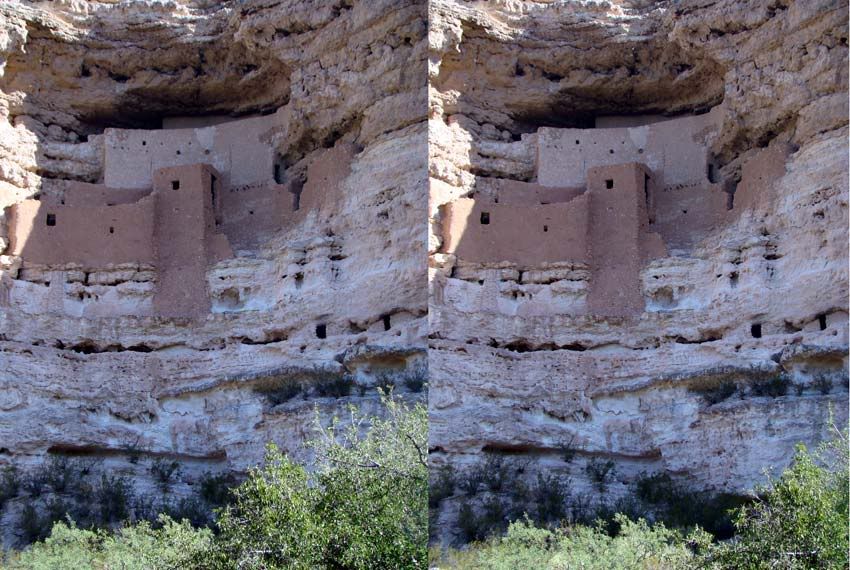
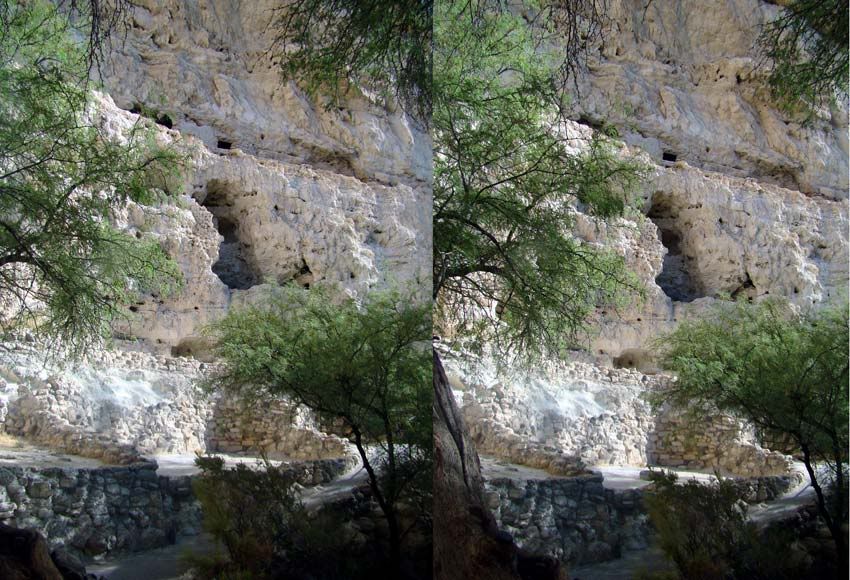
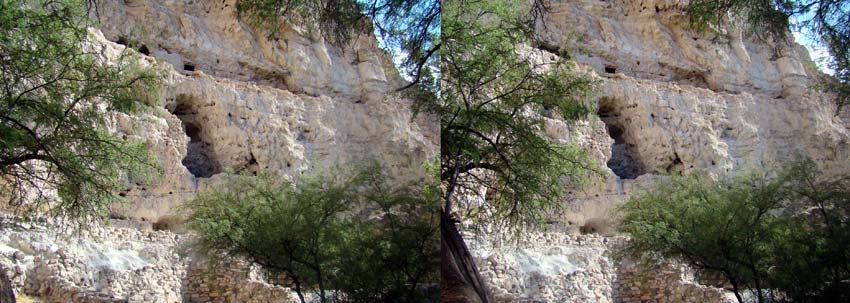
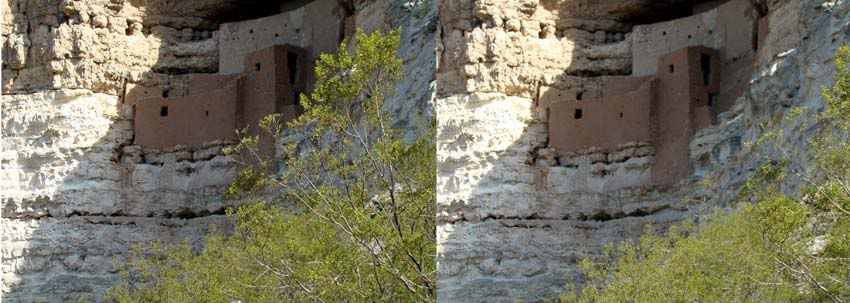
Montazuma Castle
The following description is from the National Park Services web site: http://www.nps.gov/moca/index.htm
Montezuma Castle National Monument
Gaze through the windows of the past into one of the best preserved cliff dwellings in North America. This 20 room high-rise apartment, nestled into a towering limestone cliff, tells a 1,000 year-old story of ingenuity and survival in an unforgiving desert landscape.
Marveling at this enduring legacy of the Sinagua culture reveals a people surprisingly similar to ourselves.
We visited the site in the early morning as in July the temperature was such that afternoon visits were unbearable. I tell you this because the lighting could have been better but with what we had to play with the outcome was not to bad.
I hope you enjoy these. Next post Montazuma's Well.
All comments welcome.
Subscribe to:
Comments (Atom)